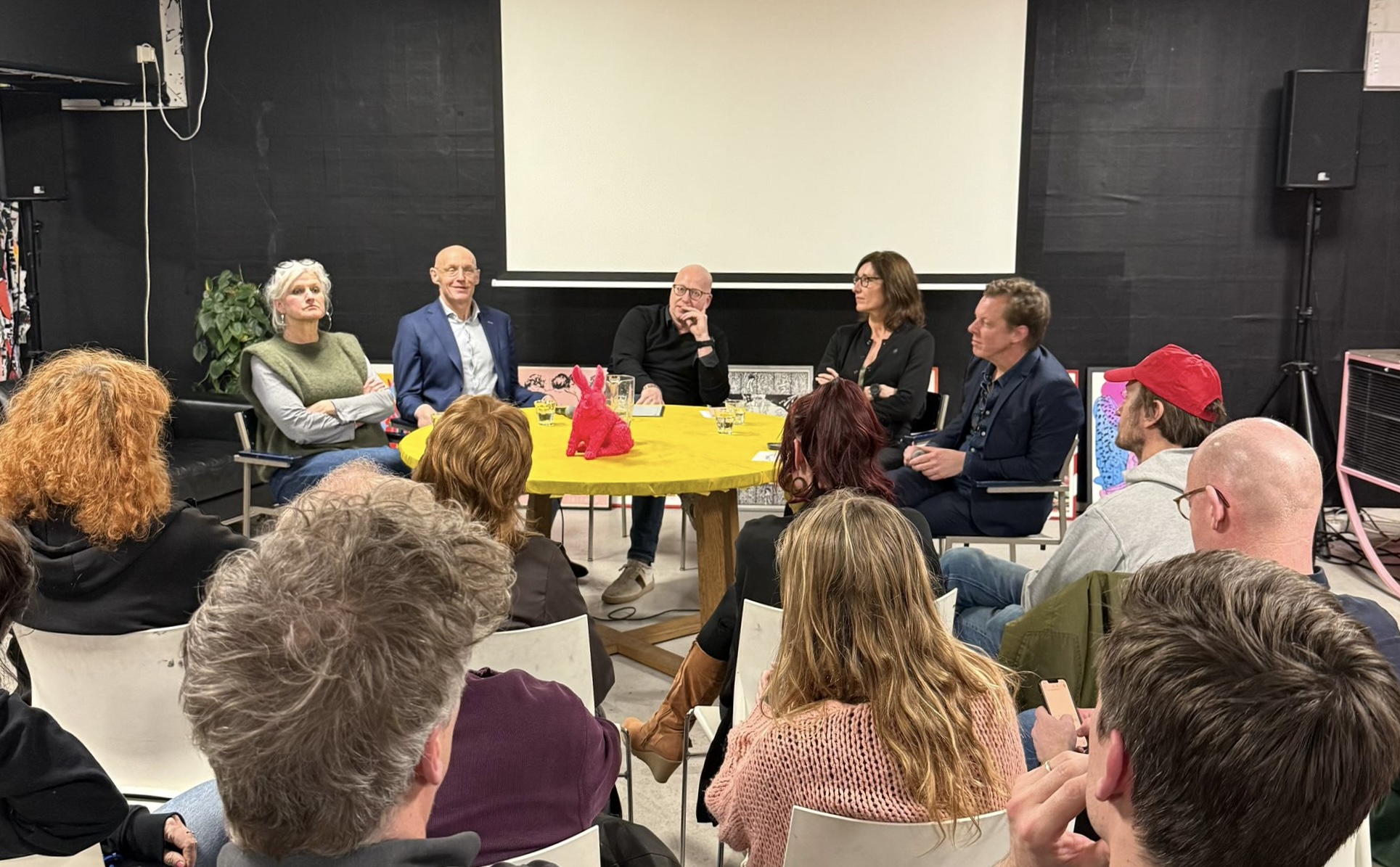
With the municipal elections approaching, the Broedplaatsennetwerk Utrecht recently organised an evening for current and prospective city councillors. The discussion centred on a question that many cities are grappling with: how do we ensure that there will continue to be space for culture, makers, creative workspaces and community initiatives in the future?
The importance of these spaces is now widely recognised. In many cities it appears in policy documents, strategies and vision statements. Yet in practice it often proves difficult to secure this space structurally. In urban development projects, creative workspaces still regularly disappear from view or remain limited to temporary solutions.
This is precisely why the role of the city council is so important. Councillors have several instruments at their disposal to steer the development of their city. Some are well known, others are used less consciously. Below is an overview of the key moments and tools through which councils can exert influence.
1. The municipal budget
This is the most powerful instrument available to the council. It determines where structural funding goes. Without dedicated budget for social and creative space, scarcity is almost inevitable.
2. Policy frameworks and strategic visions
Documents such as the environmental vision, area development strategies, real estate policies, creative workspace policies, cultural strategies and land policies define the rules of the game. This is where it is decided whether space for culture and makers remains incidental or becomes embedded in the system.
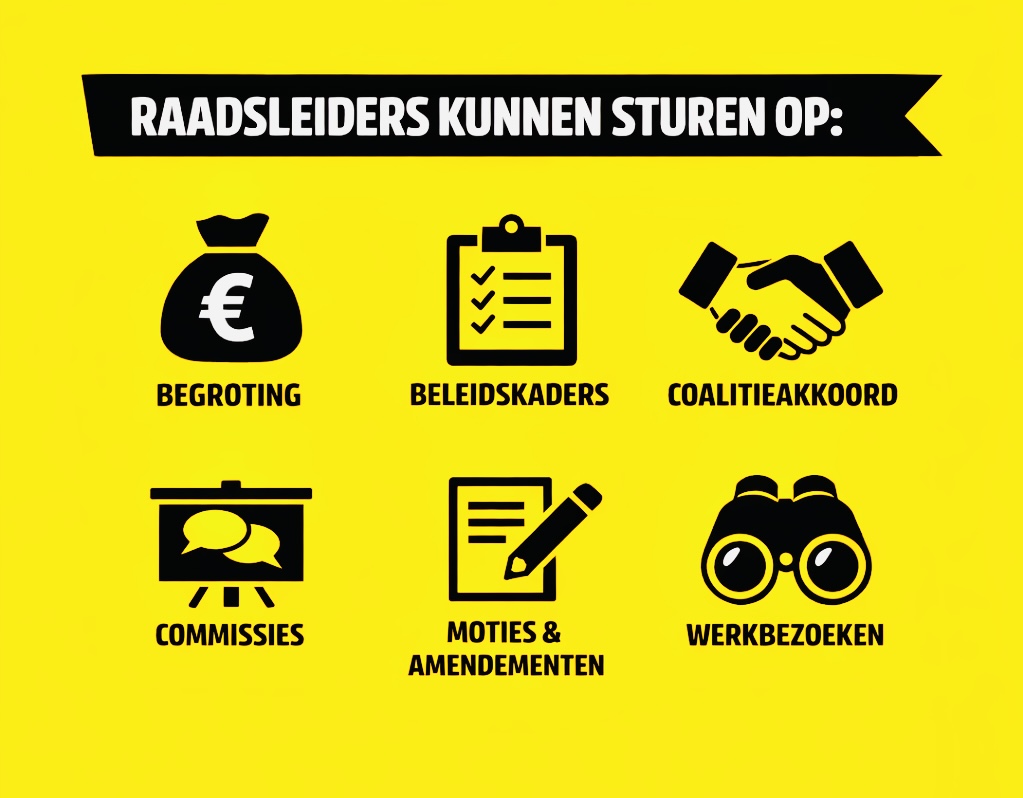
3. Coalition negotiations
During coalition negotiations political priorities are set, budgets are allocated and the executive receives its governing mandate. Agreements made here often shape policy throughout the entire governing period.
4. Committee work and agenda setting
Council committees are where dossiers take shape, questions are raised and topics are placed on the agenda. The framing of an issue often starts here and can strongly influence later decisions.
5. Motions, amendments and council questions
These are concrete steering instruments available to councillors. Particularly in urban development projects they can be used to sharpen direction. For instance by questioning how vacancy management is handled, how permits are issued, or whether the promised square metres for social or cultural use are actually realised.
6. Site visits and conversations in the city
Councillors can always visit initiatives and speak directly with makers, entrepreneurs and operators of creative workspaces. These conversations often reveal earlier than policy papers where opportunities lie or where the system is failing.
The discussion about creative and social space is no longer primarily about explaining its importance. In most cities that importance is already widely acknowledged. The real question has become more practical: how do you organise and secure that space in policy, budgets, land and square metres?
For city councils this represents a clear task. And with the instruments available to them, a real opportunity to make a difference.
If you are a municipality or a development team looking to sharpen this issue, we would be glad to help. We can help translating these kinds of ambitions into concrete strategy, policy and development practice. Let’s get in touch and continue the conversation.
Category
Related

Article: How culture can yield sustainable profits in urban development
The party that invests in culture is not always the party that benefits from it. This article shares examples in which the costs and benefits of culture intersect. 'Ownership of a place is crucial to gaining and keeping position.'
Article: How to nurture flourishing cultural and creative hubs and promote thriving communities and cities
Art and culture are the most promising avenues to revitalize cities and neighborhoods. But to succeed as a driving force for lasting and meaningful area development, what do incubators, cultural houses and creative hubs need? In a virtual meet-up with twenty…